


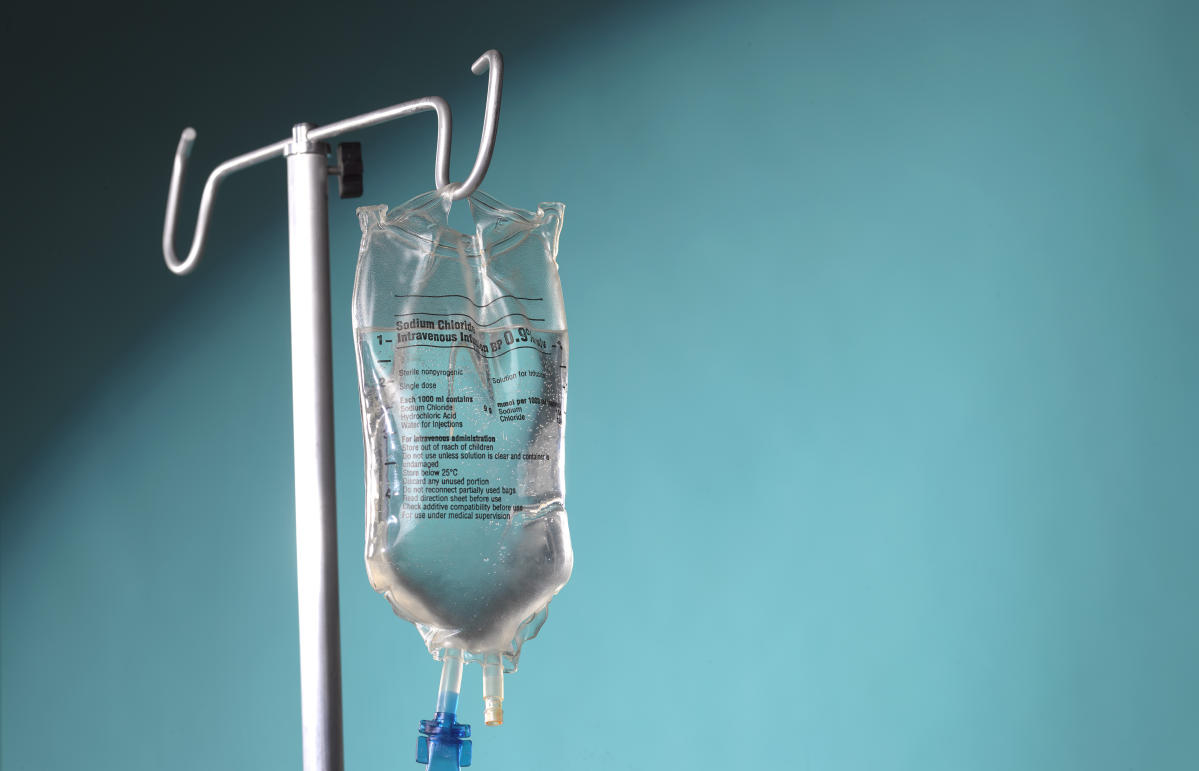
Intravenous (IV) solutions are among the most crucial therapeutic tools in modern medicine, used for rehydrating the body, delivering nutrients, medications, and even blood and plasma needed by the patient. These solutions, with their various types and compositions, are employed in diverse treatment processes. In this article, we will explore the importance and role of IV solutions in enhancing patient health.
1. Rehydration and Fluid Balance
One of the primary applications of IV solutions is fluid rehydration. In conditions such as severe dehydration, continuous vomiting, diarrhea, or burns, the body rapidly loses fluids and electrolytes. This deficit can lead to serious issues such as hypotension, kidney, and heart dysfunctions. IV solutions containing saline and electrolytes can quickly replenish these deficits and restore the body’s fluid balance.
2. Nutrient and Vitamin Delivery
In situations where the patient cannot consume food orally, such as those in Intensive Care Units (ICU), IV solutions serve as an alternative for nutrition. These solutions contain glucose, amino acids, lipids, and essential vitamins necessary for energy supply and maintaining body functions.
3. Medication Delivery and Specific Treatments
Many vital medications, such as antibiotics, antiviral drugs, strong analgesics, and chemotherapy drugs, need to be administered via injection and directly into the bloodstream. IV solutions are an ideal medium for delivering these medications, ensuring not only quick and effective absorption but also allowing precise dosage control.
4. Blood and Blood Product Transfusion
In situations such as major surgeries, accidents, and severe hemorrhages, Rapid provision of blood and blood products is crucial. IV solutions can easily connect to the blood transfusion network and deliver these products to the patient’s body.
5. Accelerating Post-Surgical Recovery
After surgeries, the patient’s body needs to replenish lost fluids and nutrients. IV solutions help meet these requirements, accelerating wound healing and the body’s return to normalcy. The components in IV solutions can also aid in balancing electrolytes, boosting the immune system, and reducing inflammation.
6. Use in Emergency Treatments
In emergency situations, such as shock, sudden hypotension, or poisoning, IV solutions are used as the first and quickest treatment method. The rapid administration of IV solutions can save a patient’s life and prevent more severe complications.
Conclusion
IV solutions, with their extensive and diverse applications, play a crucial role in therapeutic processes. From rehydrating and delivering nutrients to administering medications and blood products, these solutions expedite the improvement of patient health. Paying attention to the quality, precision, and appropriate composition of IV solutions can maximize their positive effects and play a key role in saving patients’ lives.
No comment